
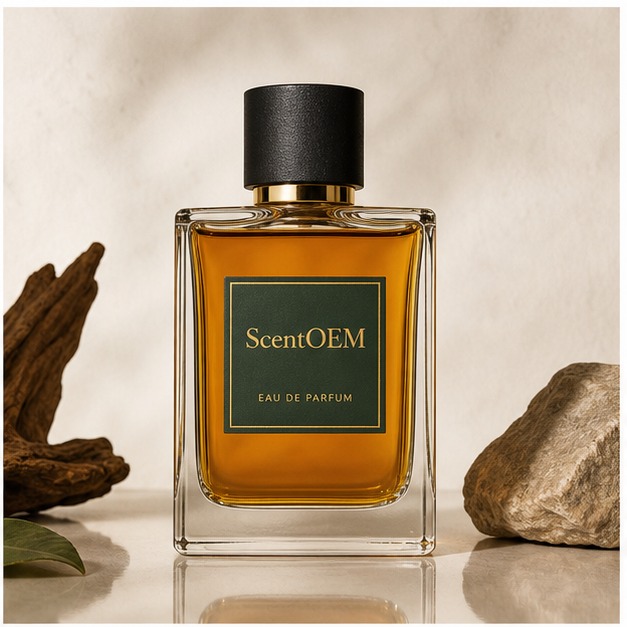
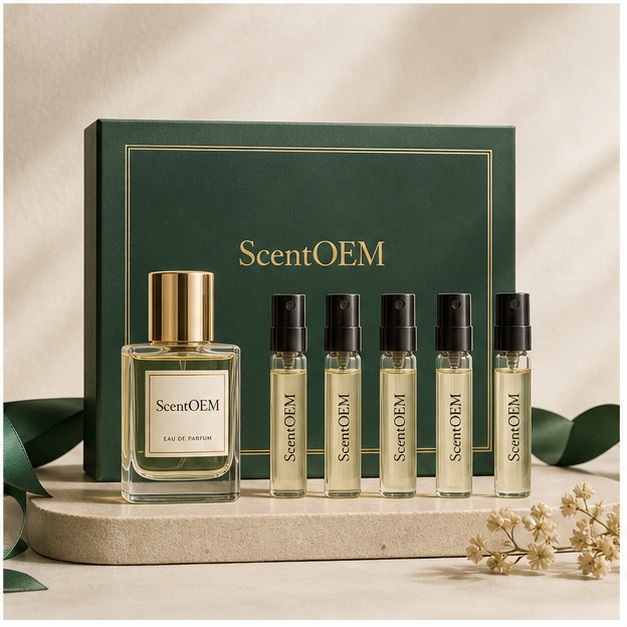
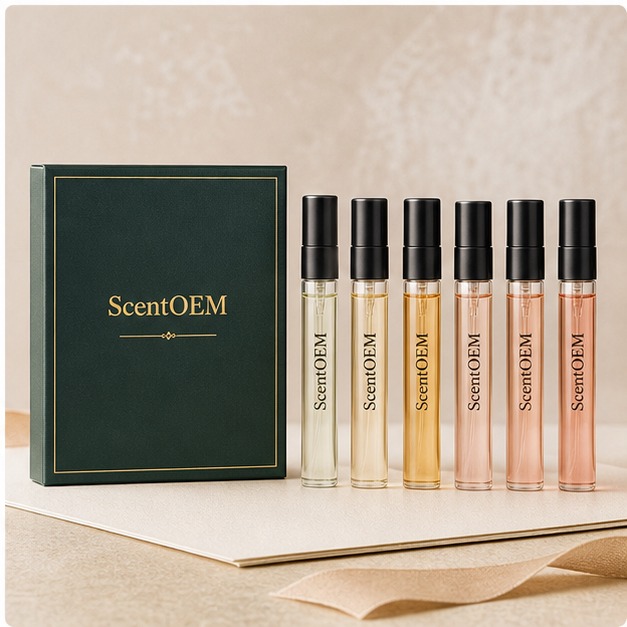
Private Label Body Mist vs Eau de Parfum: How to Choose a First Product Format
Quick answer
Choose the format from the role it must play in the range, not from the name on a competitor’s bottle. A body mist and an eau de parfum can share a fragrance direction, but their use ritual, package, product presentation, documentation review and quote inputs may differ. Start with the target customer, intended channel, desired application experience and the exact finished format you want evaluated.
ScentOEM should not state that either route is available, lower-cost, quicker or easier until the selected formula, packaging, order scope and destination have been reviewed. Use to be confirmed before any commercial commitment.
Define the job of the first product
Ask what the first SKU must accomplish: introduce a scent, create a giftable hero item, support frequent reapplication, build a premium reference point, or create a lower-commitment entry into a range. Record the answer in the project brief rather than treating “body mist” or “EDP” as a complete specification.
Compare the format as a complete system
| Decision area | Body mist brief | Eau de parfum brief | What to confirm |
|---|---|---|---|
| Customer use | Desired application and reapplication ritual | Desired spray experience and product positioning | Buyer, channel and usage context |
| Formula review | Exact base and fragrance direction | Exact base, fragrance direction and concentration specification | to be confirmed |
| Pack | Bottle, sprayer, label and carton for the intended use | Bottle, sprayer, label and carton for the intended use | Component compatibility and artwork |
| Commercial scope | Product count, quantity range and quote boundary | Product count, quantity range and quote boundary | to be confirmed |
| Market readiness | Destination-specific document and label review | Destination-specific document and label review | to be confirmed |
Avoid a misleading “same scent, different bottle” assumption
The comparison should explain that changing the base, application method, fill format or product claim can change the questions that need review. Do not promise that a fragrance approved for one format is automatically suitable for another. Treat each finished product configuration as a reviewable scope with its own sample and documentation questions.
Build the quote-ready brief
Ask the buyer to provide the target market, intended retail channel, reference products, expected product family, packaging direction, artwork status, quantity range and launch window. Mark missing commercial inputs as to be confirmed and to be confirmed rather than estimating them.
FAQ
Can one fragrance direction be reviewed for both formats?
Potentially, but the project team should review the exact proposed finished formats rather than assume equivalence. Record the approved scope, sample version and destination for each route.
Which format has the lower MOQ or faster lead time?
Do not publish a universal answer. Use to be confirmed and to be confirmed until the formula, components, decoration, order scope and supplier plan are confirmed.
Can a brand launch both formats together?
It can be considered as a range decision, but each SKU needs its own packaging, artwork, sample and destination-market review where applicable.