Concentration: What the Labels Actually Mean
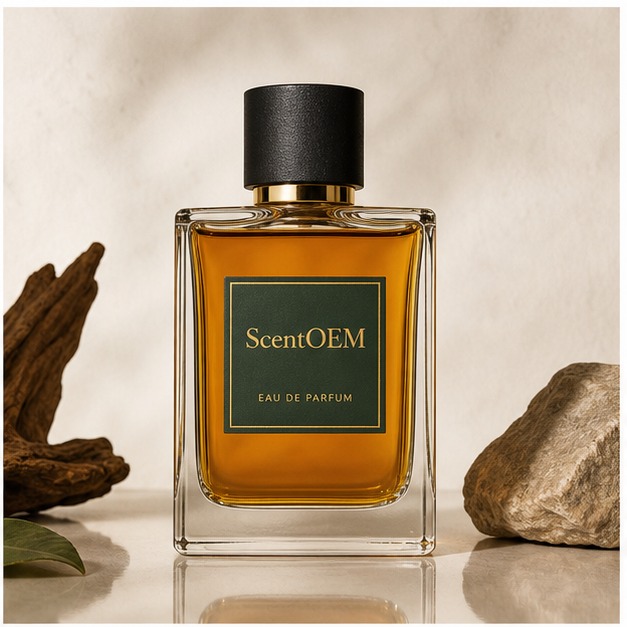
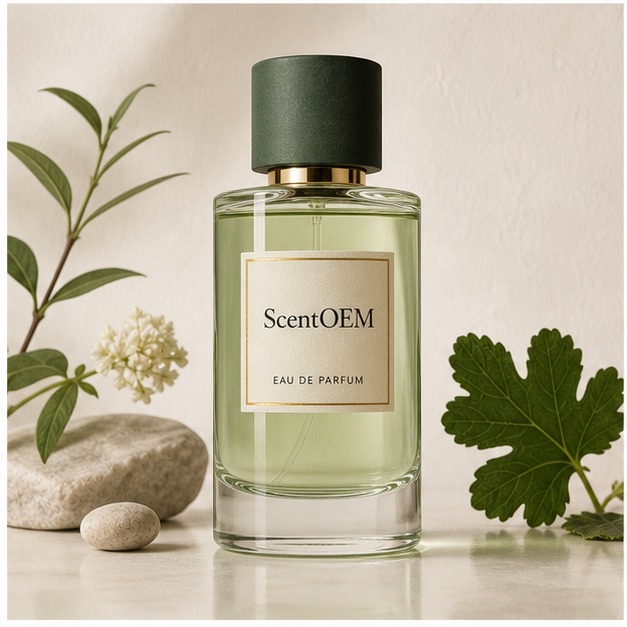
Eau de parfum, eau de toilette and extrait describe how much fragrance concentrate sits in the alcohol base. The terms are conventions rather than legally fixed thresholds, which is why the same nominal category can behave differently between producers.
| Format | Typical position | Character |
|---|
| Eau de cologne | Lightest | Fresh and immediate; short wear. Common in citrus and aromatic styles. |
| Eau de toilette (EDT) | Light to moderate | Bright opening, moderate persistence. Widely used for daytime and warm-climate markets. |
| Eau de parfum (EDP) | Moderate to high | The mainstream retail reference. Fuller development and longer wear. |
| Extrait de parfum | Highest | Dense and long-wearing, often sold in smaller volumes at a higher unit price. |
Concentration is not a quality ranking. A well-constructed EDT can outperform a poorly balanced EDP on the metric that matters to your buyer. Higher concentration raises material cost per unit and changes how the fragrance develops — it does not automatically make a better product for your market.
Choosing a Concentration for Your Project
The decision follows from market, channel and price position rather than from a preference for "stronger".
| Warm-climate markets | Lighter concentrations are often preferred, since heat amplifies projection. EDT frequently suits Southeast Asian and Gulf daytime use, even where richer styles dominate evening wear. |
|---|
| Mainstream retail | EDP is the reference format buyers expect on shelf, and the safest default when the channel is conventional retail. |
|---|
| Entry price point | EDT reduces material cost per unit, which helps hold an accessible retail price without shrinking the bottle. |
|---|
| Niche and signature lines | Extrait supports a premium position in a smaller bottle, where perceived intensity is part of the proposition. |
|---|
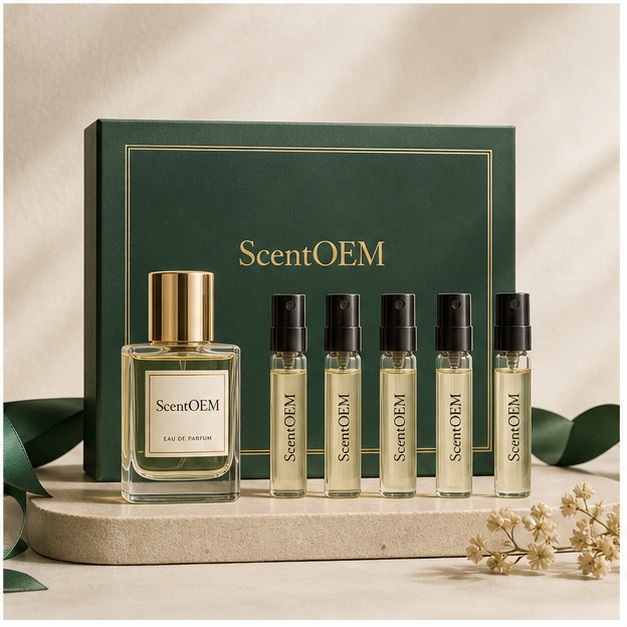
| Gifting | EDP is the expected format; presentation usually carries more weight than concentration. |
|---|
| Discovery and trial | Match the concentration of the full-size product the trial is meant to sell. |
|---|
Where a project could work at more than one concentration, it is worth sampling both. The difference in wear and cost is easier to judge on skin than on a specification sheet.
Fill Volume and What It Signals
Fill volume is a commercial decision as much as a product one. It sets the shelf price, the bottle options available and the perceived value of the unit.
- Smaller fills lower the entry price and suit trial, travel and ecommerce bundles, but the per-unit packaging cost is proportionally higher.
- Standard retail fills carry the widest bottle availability, which usually means better component pricing and shorter lead times.
- Larger fills improve value perception per millilitre but raise unit price, freight weight and the buyer's commitment to a scent they may not know.
- Unusual fills narrow the pool of available bottles considerably, and sometimes push a project toward custom tooling for no commercial gain.
A practical approach is to confirm which bottles are available at your intended capacity before fixing the volume on the label. The relationship runs both ways, and component availability often makes the decision cleaner than a marketing preference would.
Buyer Fit
EDP and EDT are the formats most projects start from, because they are what buyers recognise as perfume. They suit:
What Can Be Customized
| Product | Fragrance direction, concentration preference, fill volume and SKU count. Formula path may be an available direction, an adjusted version or a new development. |
|---|
| Bottle and closure | Capacity, shape, glass colour and weight, cap, atomizer and collar. Available moulds keep minimums lower than custom tooling — see the packaging guide. |
|---|
| Decoration | Printed label, screen printing, hot stamping, coating or frosting. Each is a separate setup with its own run minimum. |
|---|
| Retail presentation | Folding carton, rigid box, sleeve, insert and master carton configuration. |
|---|
| Review scope | Sample plan, documentation availability, destination-market requirements and quote inputs. |
|---|
Availability, MOQ, timing and documentation are confirmed by the selected formula, packaging set and destination market. No fixed figure applies across projects, because the minimum is set by whichever component in your specification carries the highest one.
Quote Inputs
An EDP or EDT enquiry becomes reviewable with these:
- Target market and who acts as importer.
- Concentration preference, or the wear characteristics you need.
- Fill volume, or the retail price you are working back from.
- Fragrance direction — a family, a reference product, or a brief.
- Estimated quantity range and SKU count.
- Packaging level, from plain label through to rigid gift presentation.
- Documentation requirements your importer or platform has specified.
- Target launch date.
EDP and EDT FAQ
What is the difference between EDP and EDT?
The difference is the proportion of fragrance concentrate in the alcohol base. EDP typically carries a higher concentration than EDT, giving fuller development and longer wear, while EDT opens brighter and is often preferred in warm climates and for daytime use. The terms are industry conventions rather than legally fixed thresholds.
Is a higher concentration always better?
No. Concentration is a character and cost decision, not a quality ranking. A well-constructed EDT can suit a market better than a heavier EDP, and higher concentration raises material cost per unit. The right choice follows from market, channel and price position.
Which fill volume should a first launch use?
Confirm which bottles are available at your intended capacity before fixing the volume, because component availability affects both minimum and lead time. Standard retail fills generally carry the widest bottle choice and the better component economics; unusual capacities narrow the options considerably.
Can one project include several concentrations?
Yes, though each formulation is a separate batch and anything printed per variant carries its own minimum. Shared bottles, closures and outer boxes across variants can help — whether it does depends on which parts the SKUs actually have in common.
What MOQ applies to an EDP project?
It is set by whichever component in the specification carries the highest minimum, so it is confirmed once the formula path, bottle, decoration and packaging level are known. The MOQ guide covers what drives it and which changes bring it down.
Continue From Here